
The Def Leppard Drummer Using Rhythm to Help Heal Trauma
There are a lot of ways people talk about frequency today—devices, technologies, systems you can measure or track. But one of the most powerful expressions of it is much simpler.
Rhythm.
Long before modern wellness tools, the drum was already doing something important. It brought people together. It created a shared pace. It shifted how people felt, without needing to explain why. That hasn’t changed. It’s just being rediscovered in a different context.
From Rock Stage to Something Deeper
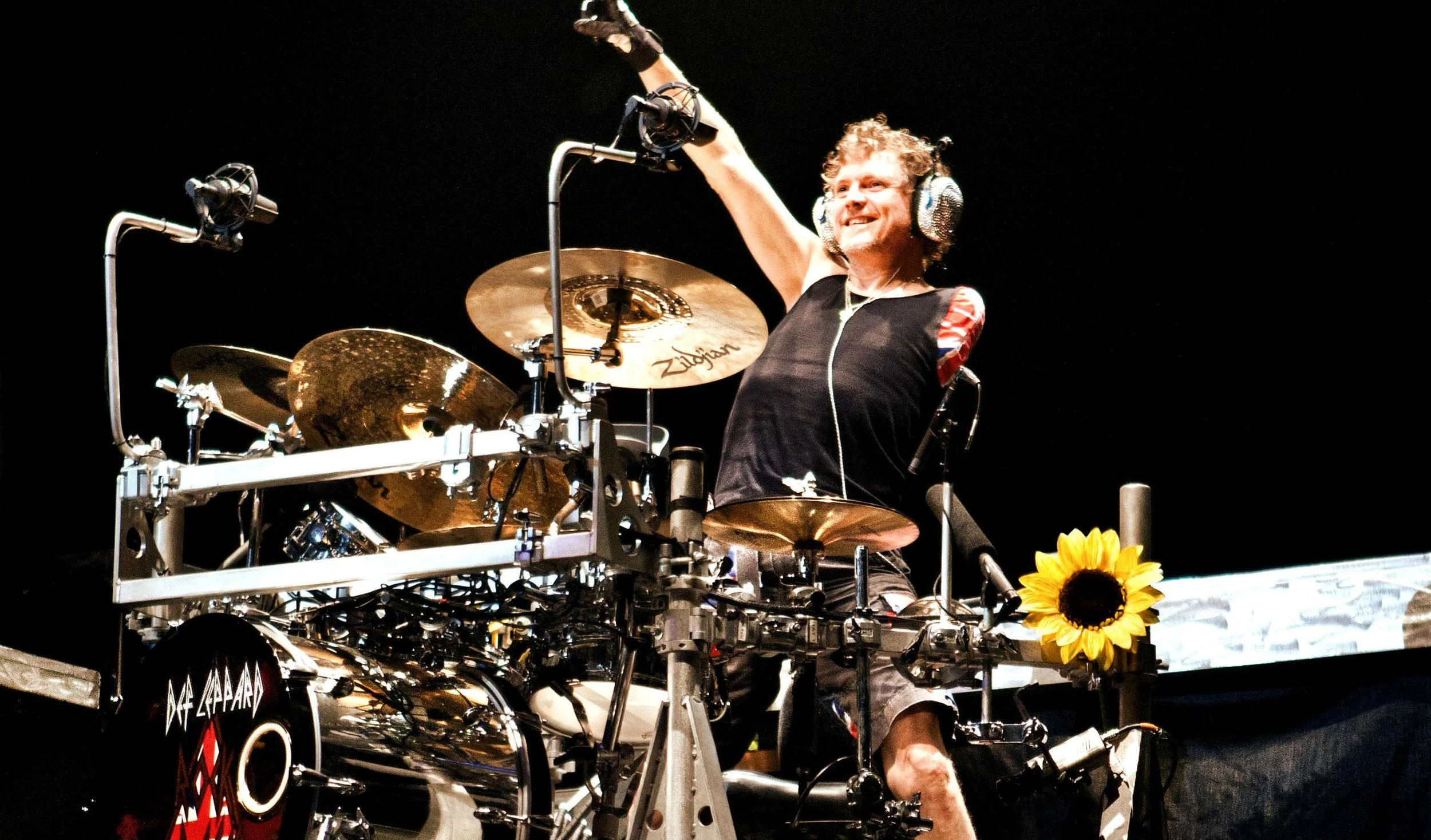
Rick Allen is best known as the drummer for Def Leppard. After losing his arm in a car accident at 21, he had to completely rebuild how he played. But over time, that process led him somewhere beyond performance.
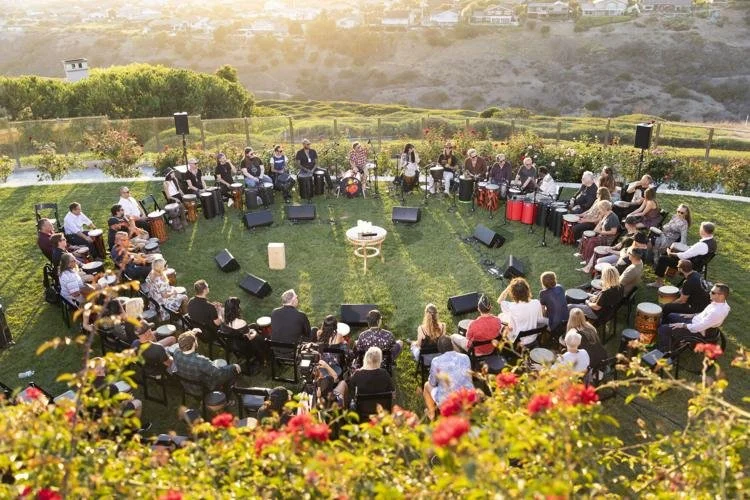
Alongside his wife, singer-songwriter Lauren Monroe, he co-founded the Raven Drum Foundation, bringing drum circles into spaces that don’t typically look like music venues, VA centers, military bases, and communities supporting veterans and their families. Many of the people they work with are carrying some form of trauma, including PTSD. And instead of asking them to talk through it, they offer something different.
What Happens in the Circle
At first, it looks simple. People sit in a circle. They’re handed drums. There’s no expectation, no pressure to perform. Then the rhythm starts. It builds slowly. People fall into sync without trying. The focus shifts away from thinking and toward feeling. The noise in the mind softens, and something else takes over.
Allen has described it as a way of moving out of the head and into the body. From there, people begin to release what they’ve been holding, without needing to explain it or even fully understand it.
Why It Reaches People
For many veterans, the hardest part of healing isn’t willingness—it’s language. Some experiences don’t translate easily into conversation. Trying to explain them can make things feel more distant, not less. The drum circle works differently. It creates connection without requiring words. It lowers the sense of isolation. It gives people a way to participate without having to revisit everything directly.
And that’s often where the shift begins.
At a certain point, it stops being about drumming at all. It could be movement, breath, or sound. The drum is just the entry point. What’s really happening is repetition, vibration, and shared rhythm influencing the nervous system in a way that feels immediate and accessible. It doesn’t require belief. It doesn’t need explanation. You feel it as it happens.
A Different Way In
For a long time, approaches like this were easy to dismiss because they didn’t look clinical or follow traditional structures. But they’ve always existed, across cultures, in ceremony, in community. Now they’re reappearing in new contexts, including work with veterans and families navigating trauma. And in those moments, it becomes clear that not all frequency-based approaches come through technology.
Sometimes they come through something as simple as a drum, and a group of people finding their way back into rhythm together.